BREAKING THE GLASS CEILING WITH RHYMES: FEMALE RAP, FROM PIONEERS TO TODAY'S STARS

By Marta Blumi Tripodi
If you quickly scroll through the hard copies of AL,
which as we all know ceased publication in 2001, it is easy to realize one thing: the only cover dedicated entirely to a woman was the one on Lauryn Hill, while in the Italian sphere the only one to appear on a cover (twice, but always sharing with other artists) was La Pina.
Let's be clear: excluding 50% from the world population was not a choice. The problem is that there were very few female rappers and, with a few isolated exceptions, they had never really managed to capture the attention of the public, even within the sector. Fast forward almost a quarter of a century: today, there would probably be enough material to produce at least one in two covers with female artists, even in Italy. What happened in the meantime? And above all, why, in a world where the glass ceiling remains unbreakable, do women finally seem to have shattered at least this one?
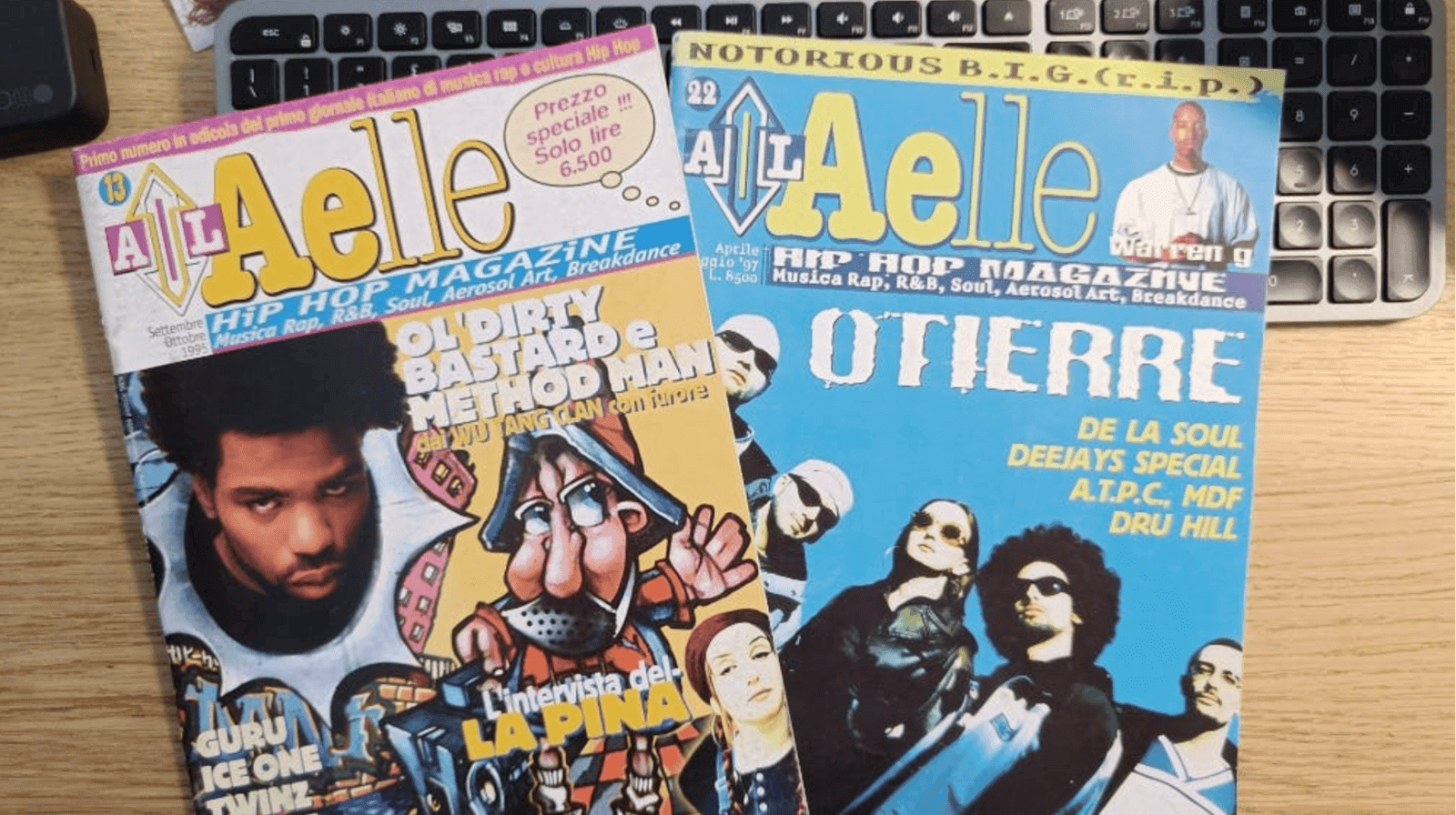
The covers of Aelle no. 13 from September 1993 and no. 22 from April 1997
There is no simple answer to this question, but one thing is certain: until a few years ago (to simplify, let's say before the pandemic), the situation was radically different from the current one, and much more similar to the days of the first AL. Even when Italian rap had broken into the mainstream, there was still a dramatic shortage of women in rap: it was as if the subject continued to interest them as listeners, but not as protagonists. Obviously, this reasoning applies to the big numbers, because even in this case there have always been exceptions. Before turning to reggaeton, Baby K rapped and was quite highly regarded (remember the 2011 EP Femmina Alfa, which received a decent response and opened the doors to a major label for her); in the underground scene, Loop Loona was considered one of the strongest (we recommend checking out her 2014 album Senza fine, but also her previous works, which are more than valid); Priestess had already begun experimenting with trap at a high level in 2015, before signing with Tanta Roba in 2017 (and releasing her first solo album, Brava, in 2019). And then there was an even more underground level where a lot was still happening: from Lady D's proto-mainstream experiments in the north to those carried out in central Italy by Nill and Marti Stone, from Rome's Lady Larri and Phedra to Sicily's Dea. And then there was the Milanese collective Fly Girls, led by local heroine Vaitea, which also included several rappers such as Juggy. A small but thriving female scene, built on the foundations laid by pioneers such as the aforementioned Pina, Julie P, Sab Sista, Posi Argento, Carri D (see video below with DJ Gruff), Marya, and others.
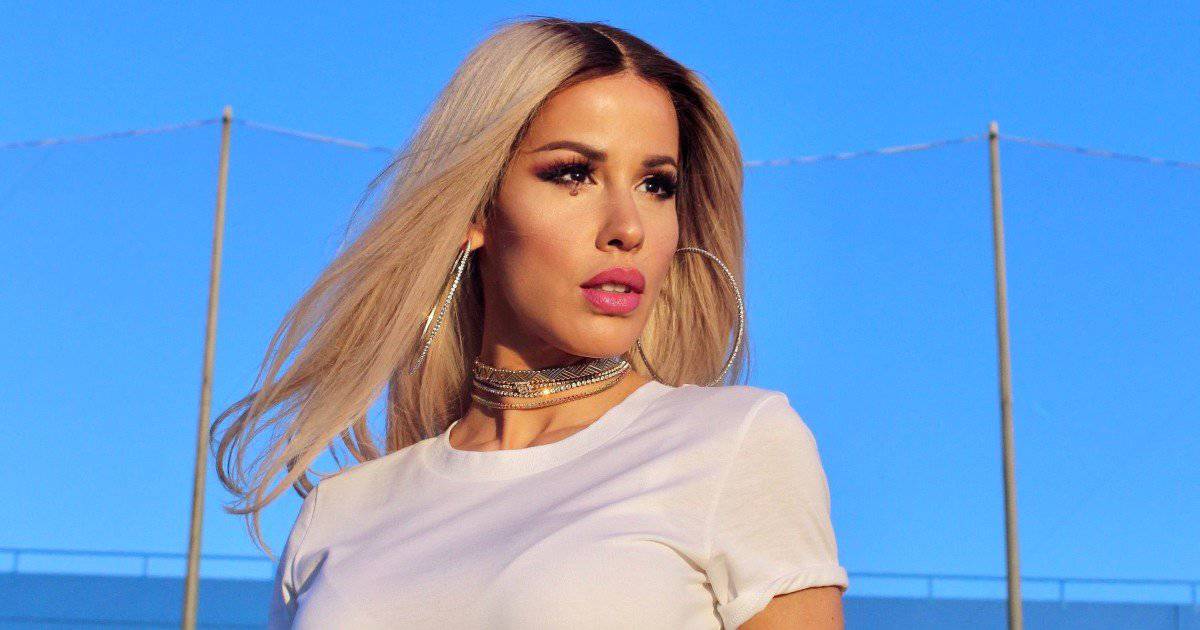
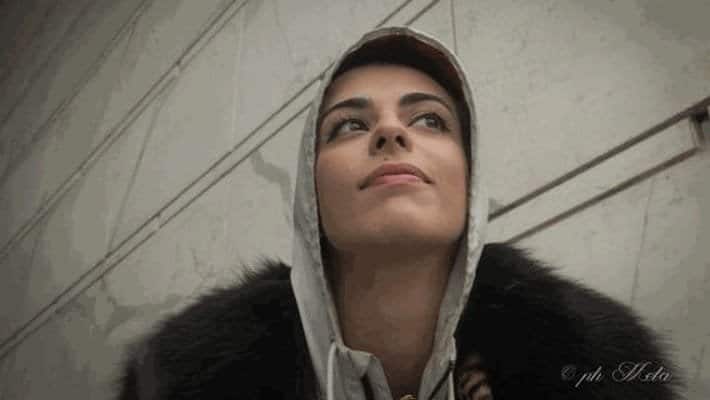
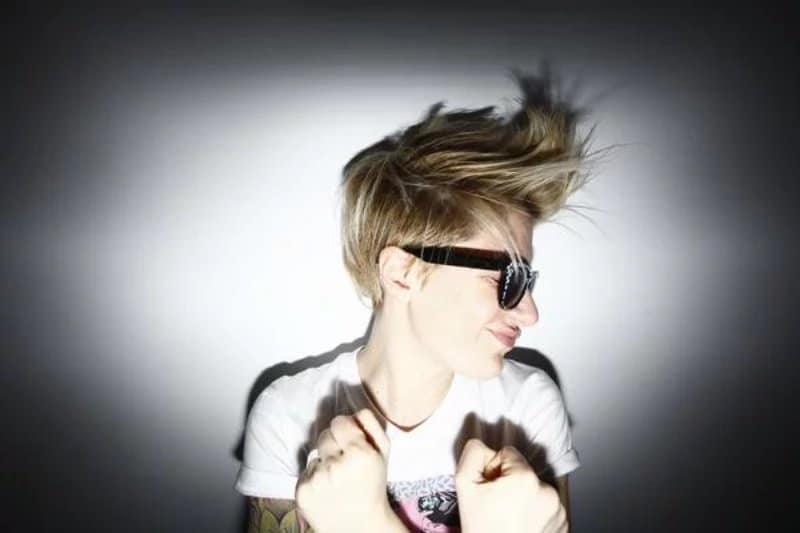

Meanwhile, something had also begun to stir on the surface. The first signs came from a few female rappers who had auditioned for various talent shows, which for a certain period were considered a privileged springboard for gaining the attention of potential fans: among the most solid and credible to have passed through X Factor – but never made it to the live shows – were Leslie from Abruzzo and Doll Kill from Sardinia. But the real revolution began around 2018, when a trio of highly talented rappers began to make their mark on the scene: Beba and Chadia Rodriguez from Turin and Anna from Liguria. Each in their own way, they brought about a huge evolution within the Italian scene. Beba because, despite being extremely technical, she never let style take a back seat; Chadia for her unabashed sensuality, reminiscent of American rappers; Anna for the incredible naturalness with which she created her own language and flow. In the summer of 2020, they all appeared together on the cover of Billboard Italia, while in the fall of 2020, Anna landed her first major solo cover for Rolling Stone Italia. It was well deserved: in the meantime, she had become the youngest Italian artist ever to reach No. 1 on the FIMI charts, at just 17 years old, with her single Bando.
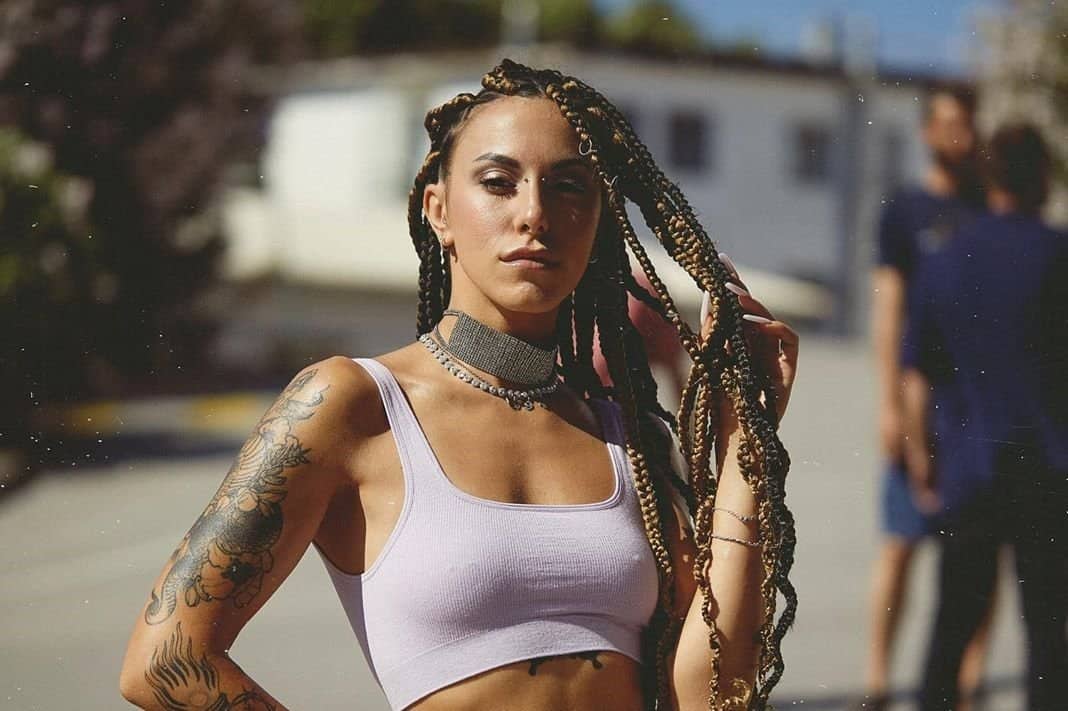
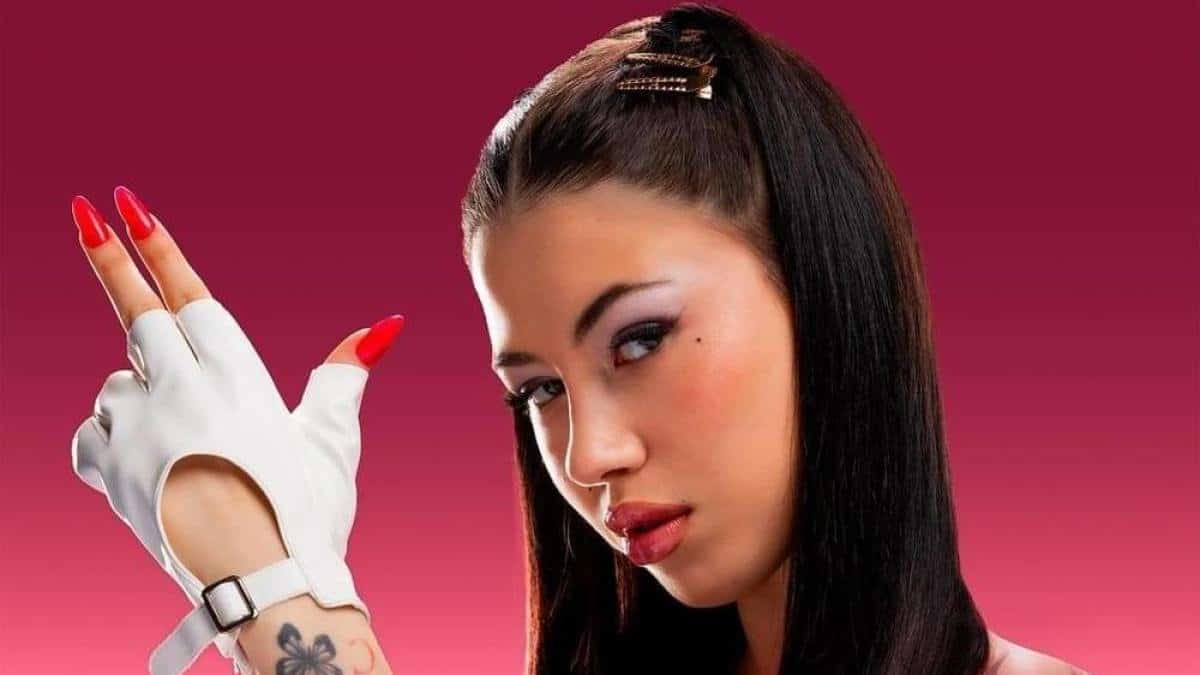
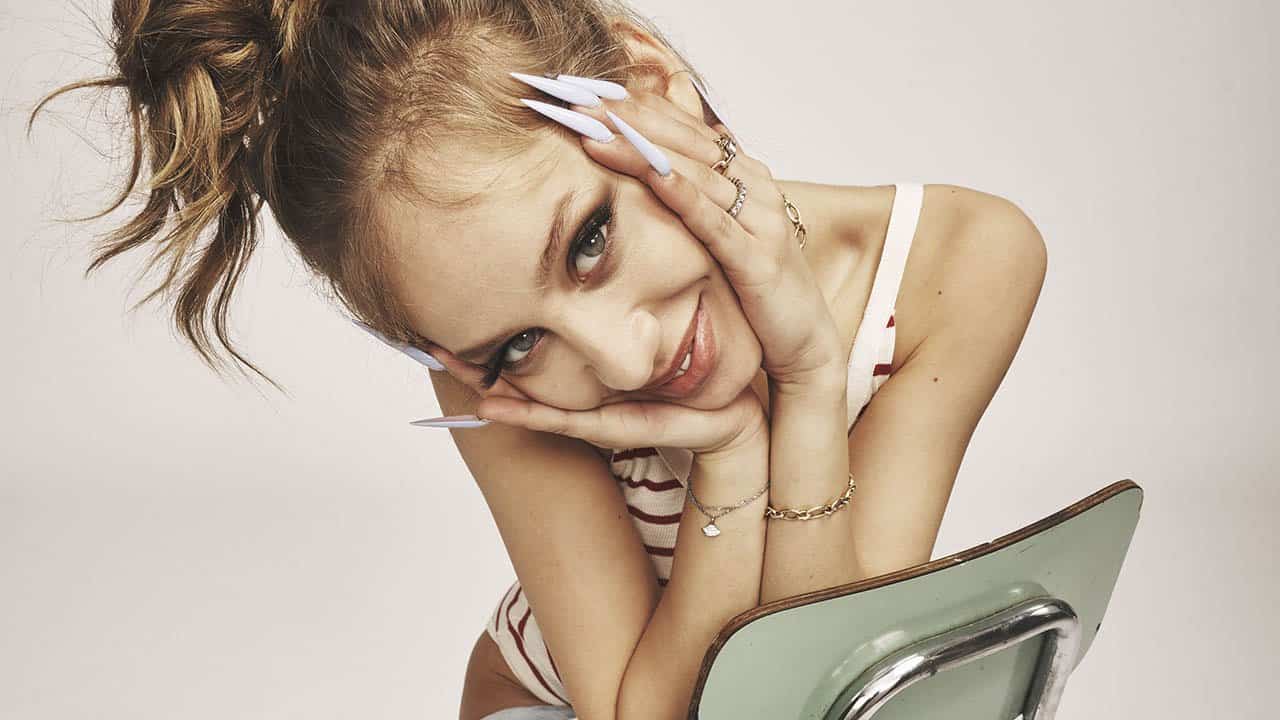
That record is now history, considering that she has broken several others. Last summer, for example, her album Vera Baddie remained at the top of the album charts for nine weeks: in Italy, this had not happened to a female artist (in any musical genre) for 16 years. Her secret, in addition to her undeniable talent, is that she is respected by her male colleagues and loved by her fans, but above all, she has become an aspirational role model for other girls who, hopefully, will follow in her footsteps. This is also because there are no longer any excuses for not daring to do so: in addition to the successes of Beba, Chadia, and above all Anna, there have also been the excellent performances of Madame and BigMama at Sanremo to pave the way. In their cases, unanimous praise has also come from the world of culture and critics, as well as from the public. Madame wanted to build increasingly solid bridges to unite rap and songwriting, also becoming a songwriter for others (La noia, the song by Angelina Mango that won Sanremo in 2024, is co-written by her); BigMama, for her part, has incorporated a strong element of civil activism into her music, fighting for the LGBTQIA+ community of which she is a proud member.
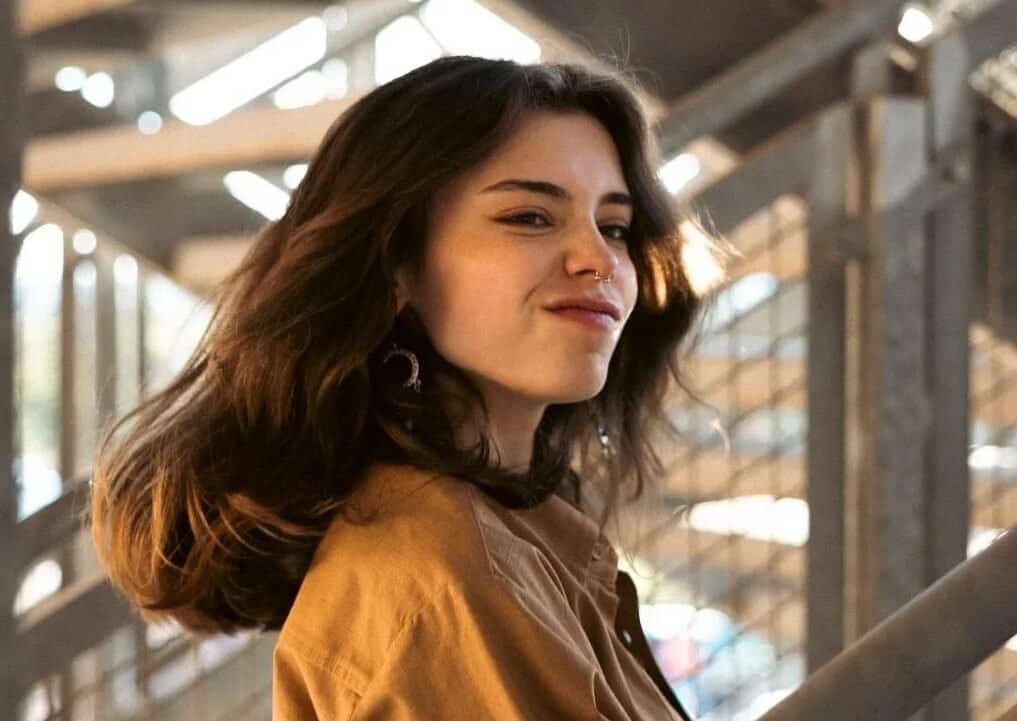
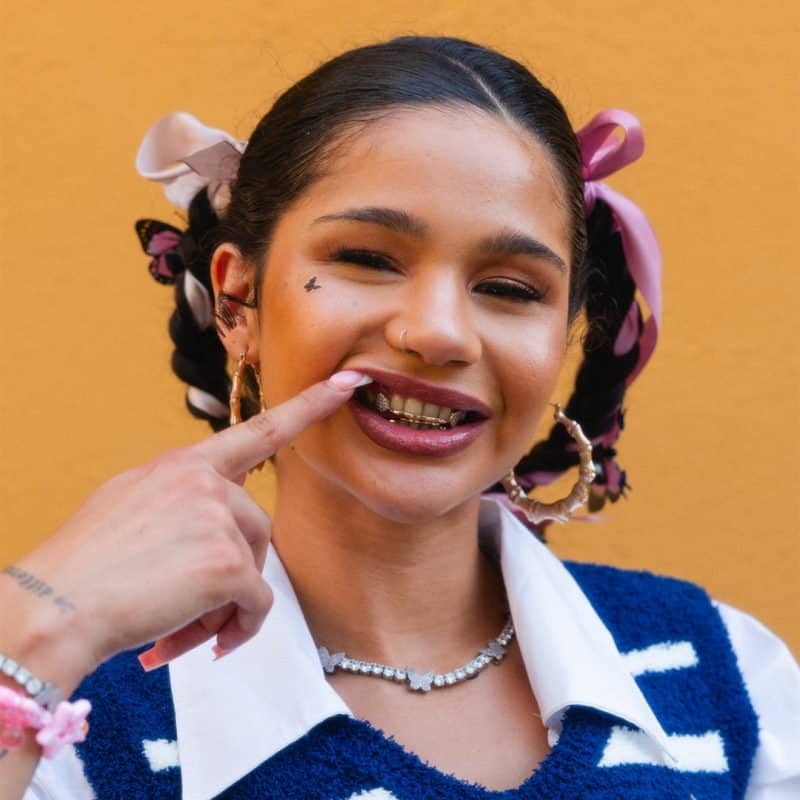
The curious thing, however, is that despite the temptation to follow a more chart-oriented path—now that Anna has opened the door, anything seems possible—the new generation of Italian female rappers seem more interested in experimenting in other directions. Introspection and the rediscovery of vintage sounds, for example, seem to be common traits of this new movement. In this case, the Swiss artist Ele A has led the way, taking us straight back to our bedrooms in the 1990s since her debut with Globo in 2023, and it's a very pleasant feeling. Others have followed suit: the very young Italian-Brazilian Lorenzza, who, despite her still adolescent and not entirely refined intentions, prefers to look inward rather than show off. A different attitude, but the same atmosphere, can also be found in Marte from Puglia, who focuses on the authenticity of her rap. Jelecrois from Campania, finalist of Netflix's talent show Nuova Scena, also focuses on her credibility as an MC: a former b-girl, despite having started rapping relatively recently, she is super technical even on less canonical sounds.
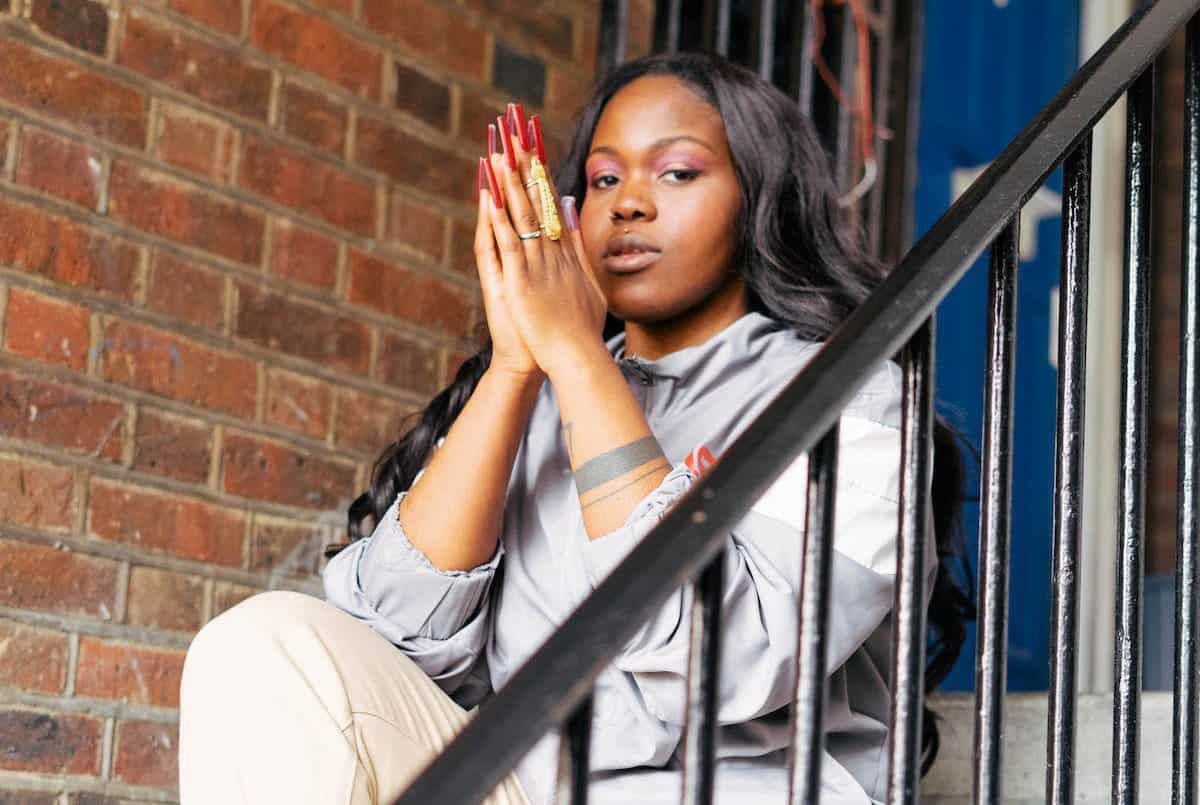

Her compatriot, straddling introspection and technicality, is Lina Simons, a Neapolitan of Nigerian origin, who, with her ability to alternate between singing and rapping, could become our version of Lauryn Hill. And the Italian-Guinean Adriana Iè, who grew up in Verona, is also constantly balancing melodic music and rap. Finally, among the veterans of this new wave of female artists, an honorable mention goes to Comagatte, a native of Puglia who moved to Milan but is also highly appreciated in Paris, who has a versatile style that alternates between trap, drill, and electronic music in a very effective way.

In short, there will still be a lot to talk about in the future. The new goal to be achieved, however, is to break another glass ceiling, which is proving quite difficult to crack: the one that keeps women away from production. Because examples of success and merit, although still few, already exist: see Star-T-Uffo and Rossella Essence.
Cover and video
Cover of Billboard Italia featuring Anna, Beba, and Chadia
Anna's first major cover
JOIN THE PRIORITY LIST
Break boundaries
Break boundaries



 Italian
 English