Cypress Hill > Per vedere, per sentire, per parlare

Intervista di Paola “ZKR” Zukar Articolo di Silvia Volpato AL 34 marzo 1999
Il palco è enorme, al centro primeggia la figura di un sovrano sul suo trono, sembra che controlli tutto,
che ti stia sempre osservando, ma i suoi occhi sono due crateri vuoti e neri, il suo volto è un teschio, un teschio gigante che fuma un sigaro, un “blunt” di pari dimensioni. La sensazione è quella di essere stati risucchiati in un romanzo di Aldous Huxley: “La Scimmia e l’Essenza”. Il panorama è postatomico, la rinascita è affidata a semi di cannabis. L’ansia è diventata una sensazione tattile, ti è addosso come una coperta, e quando l’energia di una linea di basso viene a liberarti dalla tua stessa pelle, allora ti rendi conto una volta di più di quante incredibili forme possa assumere l’Hip Hop. L’ Hip Hop, in questo caso, si chiama anche Cypress Hill e il loro nuovo avvento porta il numero IV.
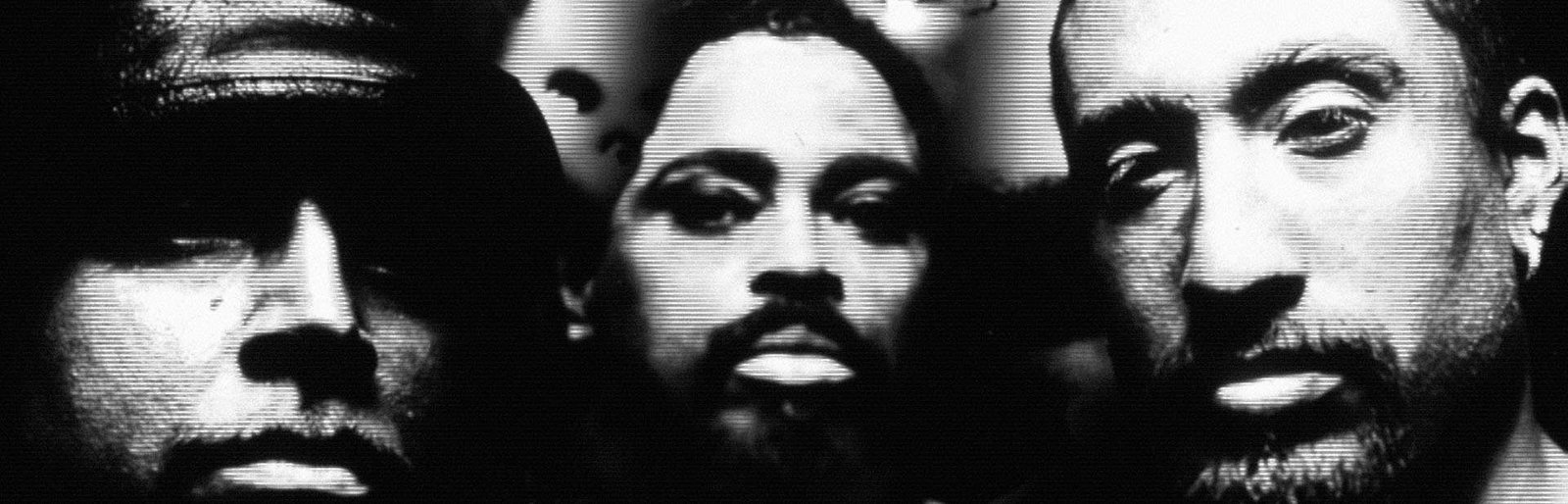
Niente da dire; la chimica musicale dei Cypress è perfetta ed immutata. I toni nasali di B Real sono esattamente dove vorremmo che fossero, le sue rime continuano imperterrite a profumare di marijuana, sganciandoci la testa dal resto del corpo per poi trascinarci di nuovo giù, nella realtà della strada. Dj Muggs ha conservato la ricetta e i suoi beats escono ancora nerboruti, le batterie up-tempo, gli stralci di chitarra sfilati dal blues riescono ancora a suonare acidi come il punk nelle sue mani, mentre i fiati che sparge qua e là ci ricordano immancabilmente che questi signori provengono dalla Cypress Avenue, nella zona South Central della Città degli Angeli. E l’eredità multiculturale si fa sentire tutta nei loro pezzi e si legge sui loro volti. Cuba, Messico, Italia e California sono tutti lì, davanti a noi in una cosa sola. B Real, Muggs, Bobo e Sen Dog sono tornati, arricchiti da diverse esperienze professionali e accompagnati da un nuovo membro della famiglia, Barron Ricks, la voce hardcore dei Call O’ Da Wild. Ciò che i Cypress Hill hanno saputo costruire negli otto anni della loro carriera si è rivelato solido quanto l’affetto che ha cementato nel cuore dei loro innumerevoli fans. Se il successo dei loro quattro album non parlasse da solo allora potremmo ricordare tutti i progetti supportati dai membri del gruppo come quello degli House of Pain, dei Delinquent Habits, dei neonati, ansiogeni Psycho Realm, per finire con la casa di produzione di dj Muggs: la Soul Assassins Productions. Pescate dove vi pare dal mazzo. Quando li incontriamo hanno da poco terminato il mastodontico Smokin’ Grooves Tour negli Stati Uniti, in compagnia di almeno una ventina tra gli artisti rap più conosciuti, e già sono sulle strade europee per promuovere il loro nuovo lp. I Cypress Hill hanno la capacità di riempire stadi e arene in quasi tutto il mondo con un pubblico incredibilmente eterogeneo, impresa quasi impareggiabile per un concerto di musica rap. L’Europa è tra le prime ad accoglierli sempre a braccia aperte.
Dj Muggs è notoriamente restìo a parlare del suo lavoro, lascia subito che sia B Real a fare da portavoce per l’intero gruppo ed è con lui che cerchiamo di capire i segreti che si nascondono dietro al successo, dietro al loro “pollice verde”, dietro l’icona del teschio e dietro ai cancelli in ferro battuto dei cimiteri che conducono alla collina dei cipressi e al famigerato Tempio del Boom.
Parliamo innanzi tutto del vostro nuovo album: “IV”. Mi interessava sapere qualcosa di più anche riguardo all’immagine dei tre scheletri della copertina. I teschi che voi usate sempre sono molti vicini a quelli di un artista di Los Angeles: Chaz Bojorquez. Mi chiedevo che significato hanno per voi.
“Per la prima parte della tua domanda io credo che il nostro quarto album si avvicini molto al primo. In questo caso, come allora, abbiamo cercato di fare qualcosa di divertente, di intelligente e di molto crudo… di metterci un po’ di tutto insomma. Per quanto riguarda gli scheletri, i teschi sono l’immagine che da sempre rappresenta il nostro gruppo. E’ una parte del corpo che uomini e donne hanno in comune. Siamo tutti fatti di carne ed ossa e lo scheletro è ciò che rimane di ognuno di noi quando moriamo. Rappresenta il trapasso del nostro spirito. Per quanto riguarda la copertina questa volta abbiamo voluto mostrare gli scheletri interi anziché i teschi. Vedi, i tre scheletri sono in tre atteggiamenti diversi; uno si copre gli occhi, l’altro le orecchie e l’ultimo la bocca, questo è quello che fa molta gente per mascherare la realtà quando ha paura di qualcosa… si coprono gli occhi perché non vogliono vedere. Altri invece sono così chiusi mentalmente che non vogliono sentire nulla. Noi siamo assolutamente contrari a quello che fanno questi tre scheletri, come rappers rappresentiamo l’esatto opposto di questo atteggiamento, siamo assolutamente aperti a tutto.”
Ho sempre letto con interesse le risposte che davate a chi vi chiedeva perché i Cypress Hill non fanno un certo tipo di Hip Hop e anzi cercano di muoversi in una direzione totalmente nuova. Avete le idee molto chiare su questo punto vero?
“Sicuramente. Tutti cercano sempre di capire perché tu fai una scelta invece di un’altra, ma nessuno potrà mai capirlo perché sei solo tu che decidi i tuoi obiettivi e il tuo destino. Molte persone si ostinano a non volerlo accettare, ma noi abbiamo sempre, palesemente cercato di fare qualcosa di totalmente diverso da chiunque altro. Noi non vogliamo fare Hip Hop sempre allo stesso modo, vogliamo che il nostro sound non invecchi, che sia sempre fresco e questo secondo me non può succedere fino a quando rimani attaccato a degli schemi.”
Una delle parole che vengono usate più spesso nell’Hip Hop oggi è “originalità”. Voi siete senza dubbio considerati uno dei gruppi più originali non solo perché non assomigliate a nessuno, ma anche perché c’è molta gente che ha tentato di copiarvi. Come vi fa sentire questo oggi, nel 1999?
“Essere considerati originali è senz’altro una cosa buona, è esattamente quello che noi vogliamo. I Cypress hanno sempre cercato di non seguire la strada di altri gruppi, possiamo avere preso ispirazione da qualcuno, ma essere dei duplicati è una cosa negativa. Se qualcuno ci copia… bè, noi non ci possiamo fare proprio niente. Sì, in un certo senso l’essere copiati lo devi considerare come un complimento. Comunque sia ti possono copiare ma non potranno mai essere te. Se tu ispiri qualcuno e riesci a toccarlo con il tuo lavoro, allora la considero una cosa buona, ma quando qualcuno prende una cosa che hai fatto e la utilizza per sé allora non è neanche copiare, è rubare e lo considero un’offesa sul serio. Alla fine dei conti, comunque, non me ne preoccupo perché la stessa cosa è successa a moltissimi artisti: Public Enemy, BDP, Ice Cube… tutti volevano essere come loro, ma di chi li ha copiati non è rimasto nulla perché non avevano fatto niente di originale.”
Tra l’altro voi avete uno zoccolo duro di fans assolutamente straordinario. Ogni volta che esce un vostro album loro vi seguono al 100%, è raro avere un supporto come quello che i Cypress Hill possono vantare, come vi fa sentire la fedeltà totale che vi dimostra il vostro pubblico? “E’ straordinario. Posso solo dire che lo apprezzo immensamente anche perché loro sono il motivo per cui il successo dei Cypress Hill dura da oltre otto anni, mentre molti altri rimangono sulla scena uno o due al massimo. Otto anni nello showbusiness, quattro album e un paio di altri progetti; questo è quanto abbiamo realizzato grazie alla fedeltà dei nostri fans. E’ anche per questo che cerchiamo sempre di dare tutti noi stessi durante i concerti, soprattutto ora che MTV e altri canali musicali non trasmettono più molto i nostri video e i nostri pezzi. Il palcoscenico è il mezzo più diretto attraverso il quale ricambiare il nostro pubblico.”
Come fate a reggere il ritmo di tutti i tour che fate, avete appena finito lo “Smokin’ Grooves Tour” e siete già in viaggio di nuovo, è incredibile!
“Siamo come soldati, abbiamo una missione da portare a compimento quindi rimaniamo sul campo di battaglia e cerchiamo di uscirne vincenti ogni volta.”
Stavo riflettendo sul fatto che voi avete anche un pubblico incredibilmente eterogeneo che va ben oltre i confini degli Stati Uniti. Ti è mai capitato di chiederti “ma come mai questo tizio tedesco o giapponese riesce a sentire così tanto la mia musica”?
“E’ una domanda che bisogna assolutamente farsi perché è importante capire che cosa possono avere in comune con te queste persone tanto da poter condividere quello che dici. In ogni angolo di questo mondo ci sono dei ghetti e in questo senso tutti dobbiamo affrontare le stesse difficoltà, gli stessi ostacoli ed è di questo che parla la nostra musica, di come superare le barriere, di come vivere una vita migliore. Spesso i nostri pezzi vengono fraintesi perché la gente non ascolta i messaggi, ascolta solo le parole come “fuck you” e “kill you”, ma quelli che vivono le stesse cose che viviamo noi, anche se stanno dall’altra parte del globo, sanno di cosa stiamo parlando e si rispecchiano in quello che diciamo. Noi siamo sinceri, non abbiamo mai cercato di parlare di cose che non conosciamo o che non fanno parte della nostra vita di sempre e credo che la gente apprezzi e rispetti la nostra onestà.”
Dici che spesso i tuoi testi vengono fraintesi, ma allo stesso tempo non sembri disturbato da quest’idea.
“No affatto, perché io so esattamente cosa voglio comunicare quando scrivo un pezzo. I media hanno sempre cercato di dipingerci come un gruppo gangsta che parla solo di violenza e di droga, ma non è questo quello che siamo. Noi parliamo della marijuana ma non la consideriamo una droga, noi non andiamo in giro a dire alla gente “fumatela”, noi spieghiamo gli effetti prodotti dalla marijuana. Per quanto riguarda la violenza il nostro scopo è quello di parlarne per spiegare ai ragazzi che ne devono stare lontani. Noi raccontiamo la realtà, descriviamo un mondo violento e malsano, dove la gente che spaccia droga e usa violenza sugli altri senza motivo conduce la propria vita su una strada ben precisa e ne subisce le ripercussioni finendo in carcere o diventando senzatetto.”
Come vedi, ad esempio a Los Angeles, il movimento che si sta creando grazie all’Hip Hop? Voglio dire, ti sembra che stia dando lavoro e nuove speranze ai ragazzi?
“Oh sì, senza dubbio. Ci sono migliaia di ragazzini che hanno pochissime possibilità di trovare un lavoro a Los Angeles, ma il fatto di avere talento nello scrivere liriche o nell’esibirsi dà loro la possibilità di aprirsi una strada, una possibilità che prima non avevano. Quando la breakdance iniziò a sparire dalla scena Hip Hop americana, la gente non si rendeva conto che era una cosa positiva che teneva un mucchio di ragazzi lontano dai guai. Non avere più il breaking per molti ha significato finire nelle gangs a drogarsi e a spacciare droga, perché non c’era scelta e non c’erano stimoli. Questo è un dato di fatto. I ragazzini hanno bisogno di qualcosa nel quale scaricare la propria energia, qualcosa che li faccia sentire importanti e parte di un gruppo. Soprattutto al giorno d’oggi i giovani sono messi da parte e nessuno ascolta veramente le loro necessità e questo si traduce nel proliferare della violenza. La musica rappresenta l’unico elemento al quale i ragazzini possono affidarsi per uscirne, dà loro una possibilità che non potrebbero trovare in nessun altro modo in questa società.”
In pezzi come “Insane In The Brain” e “How Could I Just Kill A Man?” avete cercato di portare a galla i messaggi positivi che scaturiscono dalle riflessioni come questa sulla violenza, ma allo stesso tempo siete riusciti a trasmettere quel senso di angoscia e di negatività che per forza accompagna la violenza. Come riesci a trasformare la negatività in un messaggio positivo?
“Mi guardo indietro e rifletto su tutte le cose sbagliate che ho fatto e cerco di capire in che modo questo ha avuto delle ripercussioni negative sulla mia vita. C’è sempre il rovescio della medaglia in tutto quello che fai. Quando parlo di qualcosa di negativo posso anche dire che è divertente: “Hey, è stato uno sballo ragazzi!”, ma alla fine succede che per una stronzata uno finisce in carcere, o perde il suo migliore amico o viene ucciso lui stesso e io tendo ad essere molto esplicito su questo aspetto di modo che ogni essere umano con un minimo di intelligenza e di raziocinio si renda conto di che cosa lo aspetta alla fine della corsa. Questo è il mio modo di tirare fuori la positività dalla violenza.”
Tornando al discorso della marijuana che facevi prima, pensi che i ragazzini capiscano fino in fondo il modo in cui voi ne parlate o pensi che sia una cosa che viene da sé una volta che si cresce?
“E’ proprio come dici, è una cosa che capisci con l’età, quando ti cambiano le prospettive. Io l’ho capito da solo come funziona, con il tempo… o forse dovrei dire che ancora non l’ho capito del tutto. Comunque sia non me ne preoccupo più di tanto, non vado in giro a mettere l’erba in mano ai ragazzi dicendo loro “prendi questa, fumala, ti fa bene”. Il problema sono i genitori, si dovrebbero rendere conto che vietare una cosa non fa altro che far aumentare la curiosità di un ragazzino, dovrebbero dire la verità ai loro figli, dare loro delle ragioni per fare o non fare una certa cosa. Altrimenti è normale che poi ci si vada a cercare da soli le risposte… sai, esci con gli amici, vedi che loro fumano, pensi a quello che ti hanno detto i tuoi genitori però allo stesso tempo vuoi capire e allora lo fai anche tu. Il problema è che poi bisogna stare attenti perché ci sarà sempre qualcuno che verrà a metterti in mano un pezzo di una merda diversa e ti dirà: “dai prova questo, questo è meglio!” e allora per non sentirti uno sfigato davanti ai tuoi amici provi anche quell’altra merda. E’ la curiosità che spinge i ragazzini a fare certe cose, e il modo migliore per aiutarli è dire loro la verità, magari li si prende e li si porta a vedere come vivono i tossicodipendenti… voglio dire, bisogna essere onesti, non gliela dobbiamo annacquare la realtà e non possiamo chiuderli in un cassetto perché prima o poi esploderanno e allora saranno fottuti perché non saranno preparati a quello che li aspetta.”
Parlando di “IV” ci sono delle tematiche veramente interessanti che vengono fuori da alcuni brani. Ad esempio mi piacerebbe che tu commentassi “Clash Of The Titans”. E’ un brano piuttosto complesso e non facile da capire, sembra un po’ come leggere la Bibbia; ogni volta che lo ascolti ne cogli un aspetto diverso.
“Sostanzialmente tratta della lotta contro il nostro spirito. La gente trascura la propria spiritualità per avere il denaro o la fama o qualunque altra cosa. Per me la spiritualità è Dio, ma può essere qualsiasi altra forza in cui tu credi. “Clash Of The Titans” parla dello sforzo che fa la nostra anima ogni volta che deve decidere tra il materiale e lo spirituale. Questo è il primo brano che parla di spiritualità che io abbia mai scritto per i Cypress Hill, è stata una specie di scommessa per me perché non sapevo se la gente avrebbe capito, ma era qualcosa che sentivo di dover dire e l’ho fatto.”
Negli ultimi anni i Cypress Hill hanno cambiato formazione, hanno realizzato progetti separati e poi sono tornati assieme. Che cosa vi ha portato tutto questo?
“La mia esperienza solista mi ha insegnato moltissimo… mi ha insegnato che ce la posso fare comunque, mi ha insegnato ad essere più forte per poter sopravvivere anche senza gli altri e allo stesso tempo ci ha unito ancora di pià come gruppo. Ora i Cypress sono qualitativamente molto più validi di prima, abbiamo sempre Muggs ai beats, ci siamo io e Sen a scrivere le liriche e Bobo alle percussioni, infine abbiamo un nuovo membro nella famiglia: Barron Ricks che ha contribuito apportando una vibrazione completamente nuova e un’energia straordinaria al nostro album, ma anche ai nostri show live. La nostra famiglia è in costante crescita e ci stiamo muovendo verso una direzione molto positiva.”
Riflettevo sulle vostre origini culturali, Muggs è italiano, Bobo è portoricano, tu sei cubano e messicano… Tutti vivete a Los Angeles e pensavo che c’è stato un periodo, verso gli anni ‘50, in cui il sistema americano creava grandi problemi agli artisti e agli intellettuali e alcuni decidevano di trasferirsi all’estero, magari tornando ai loro paesi d’origine, oppure venendo qui in Europa. Oggi le cose sono cambiate, si parla molto di più dei problemi sociali, però la gente continua a vivere nello stesso ambiente. Mi chiedevo se hai mai pensato di trasferirti da qualche parte all’estero.
”Se mai decidessi di lasciare gli Stati Uniti probabilmente l’Europa sarebbe il posto pià conveniente nel quale trasferirmi. In realtà non ci ho mai pensato veramente, ma non si può mai sapere, non posso escludere che un giorno deciderò di averne avuto abbastanza di tutto questo. La scena musicale è molto forte in Europa, conosco diverse persone che vivono qui e so che la mia musica è apprezzata. L’unico ostacolo sarebbe quello di dovermi abituare allo stile di vita diverso, ma credo che l’Europa sarebbe uno dei pochi luoghi nei quali potrei vivere al di fuori dell’America. Anche il Giappone mi piace molto comunque, adoro il Giappone.”
Da noi succede un po’ l’opposto di tutto questo, l’America è un fortissimo punto di riferimento e in molti sono disturbati dal processo di americanizzazione che stiamo piano piano subendo. Cosa ne pensi di questo?
”Io sono convinto che l’Europa abbia delle radici culturali troppo profonde e radicate perché l’America possa veramente intaccarle. Nei prossimi 10 o 20 anni ci saranno dei cambiamenti naturali perché una nuova generazione prenderà il potere. Se ci sarà un ulteriore processo di occidentalizzazione io credo che i cambiamenti in Europa rimarranno comunque marginali perché il legame che avete con la vostra storia e le vostre tradizioni è fortissimo.”
Come pensi che sarà lo scambio, il passaggio tra la nostra generazione e la prossima?
“Penso che sarà più semplice di quello che noi abbiamo avuto con la generazione che ci ha preceduto perché noi abbiamo imparato molto meglio il potere della comunicazione e fino a che avremo la capacità di comunicare con i più giovani le cose andranno meglio. Non dobbiamo mai perdere di vista quello che noi siamo stati da giovani, le difficoltà che abbiamo attraversato, perché sono in qualche modo le stesse che attraverseranno loro. Se noi saremo in grado di comunicare questo, allora sarà più facile mantenere il contatto con la nuova generazione. L’Hip Hop in questo caso è sicuramente un prezioso mezzo di comunicazione.”
Al termine della nostra conversazione B Real ci introduce al nuovo affiliato della famiglia dei Cypress Hill: Barron Ricks che dimostra subito il suo entusiasmo per essere finalmente parte di un gruppo attorno al quale ha satellitato ormai già da diversi anni.
“I Cypress Hill sono sempre stati una formazione fantastica, io sono l’ultimo arrivato ma credo di avere contribuito molto con la mia energia al lavoro fatto sull’ultimo album. Abbiamo fatto un lavoro di squadra e ci siamo divertiti, ognuno a fatto la sua parte. B Real ha portato le liriche sicuramente ad un livello superiore in questo lp.”
Come sei entrato in contatto con il gruppo?
“Be’, io facevo parte dei Soul Assassins già dal 1992/93, quando i Cypress stavano registrando “Black Sunday”. Il mio gruppo si chiamava Call O’ Da Wild, abbiamo lavorato al progetto di Dj Muggs per l’lp Soul Assassins e ad un altro paio di cose. Abbiamo fatto assieme lo Smokin’ Grooves Tour. Quando B Real mi chiamò per chiedermi di partecipare a “IV” io sono corso subito… voglio dire, è una di quelle telefonate che tutti vorrebbero poter ricevere nella vita, non credi?”
Cosa mi dici dello Smokin’ Grooves Tour, com’è stato?“Pesante, un tour pesantissimo, ma sicuramente uno dei tour migliori nella storia dell’Hip Hop. Ti rendi conto che mette assieme Busta Rhymes, A Tribe Called Quest, Public Enemy, Onyx e Cypress Hill… è stato incredibile. Avevamo molta pressione addosso ma tutti erano assolutamente professionali, sul palco c’era competizione, ma una volta finito lo show si tornava sulla strada ed eravamo tutti amici, è stata una delle esperienze più belle della mia vita.”
Ho sentito dire che negli Stati Uniti i concerti stanno diventando un fenomeno sempre meno popolare. Come vedi la posizione dell’Hip Hop in quest’ottica? “Il fatto è che l’Hip Hop funziona diversamente rispetto agli altri generi musicali. Gli elementi che danno credibilità all’Hip Hop non possono esistere al di fuori dell’atmosfera di un party, è difficile far combaciare quel tipo di atmosfera con uno show dove migliaia di persone si radunano sotto un palco. La musica rap si è evoluta molto in questi anni, oggi ci sono grandi manifestazioni, grandi promoters e molta professionalità e non puoi più salire sul palco come succedeva nel 1982-’83, senza organizzazione, prendendo un microfono in mano così, tanto per fare casino. Nonostante questo, io credo che lo Smokin’ Grooves Tour sia riuscito a combinare gli elementi più strettamente Hip Hop con la professionalità di una manifestazione organizzata in grande stile.“
Parliamo dei brani ai quali hai partecipato sull’album. Come componi le tue liriche per i Cypress, c’è uno scambio di idee o scrivi da solo e aspetti che ti venga proposto un beat in particolare?
“Muggs è l’ingrediente principale nel lavoro dei Cypress perché è proprio quel sapore tutto speciale che lui mette nelle produzioni che certe volte ci fa decidere di che cosa parlare in un pezzo. Personalmente prediligo i beats piuttosto duri, quindi cerchiamo sempre di far combaciare le nostre esigenze.”
Con B Real si parlava prima dell’atmosfera di ansietà che contraddistingue la maggior parte dei pezzi dei Cypress. Trovo che “Steel Magnolia” ne sia un esempio perfetto. Da dove ti arrivano le immagini che descrivi in quel brano?
“In genere parto da un concetto preciso e poi cerco di estenderlo in tutte le direzioni in modo che l’ascoltatore si trovi completamente insabbiato in quello che sto dicendo, ma allo stesso tempo trovi tutte le risposte che cerca. E’ importante che la gente capisca quello che dici in un pezzo, è questo il potere della creatività e dello scrivere le liriche, devi trascinarli nel tuo mondo ma lasciarli con le idee chiare su quello che volevi comunicare.”
Ti faccio la stesa domanda che ho fatto prima a B Real: tu personalmente come ti spieghi il fatto che l’Hip Hop sia una cosa così assolutamente universale?
“L’Hip Hop è realtà, è vita reale. Nei decenni passati c’è sempre stato qualcosa che ha tenuto unita la stessa generazione in tutte le parti del mondo; negli anni ‘60 e ‘70 era il movimento hippie, oggi è l’Hip Hop e l’Hip Hop è fatto anche di piccole cose, di piccoli segni distintivi come il fatto di portare la felpa con il cappuccio, o un certo tipo di boots, oppure di tenere i jeans in un certo modo, e quando incontri una persona vestita in un certo modo, anche se parla tedesco o italiano, tu sai già quello che devi sapere, non è più uno sconosciuto. La musica rap è come una medicina per i ciechi e per i sordi, ti apre le frontiere.”
Ti saresti mai aspettato uno sviluppo così grande dell’Hip Hop quando eri più giovane, quando era solo una cosa tra South Bronx e Queens?
“Io ho iniziato con il djing e il breaking quando ero piccolino, poi mi sono avvicinato alla musica rap. Quando ho scoperto il potere incredibile che hanno le parole e le liriche, che tipo di effetto hanno sulla gente, mi ci sono dedicato completamente, sapevo che il rap aveva grandi potenzialità ma non avrei mai potuto immaginare che sarebbe diventata una cosa di questo livello. La considero come un’opera di Dio, per questo rimango umile e per questo credo che chi oggi inizia a fare Hip Hop pensando solo di diventare famoso parte con il piede sbagliato e si illude. Prima ti parlavo dell’abbigliamento e, vedi, quando noi abbiamo iniziato non c’erano tutte queste belle cose, e comunque nessuno se le poteva permettere. Avevamo solo le Adidas, e poi delle t-shirt senza nessuna scritta, così ci incollavamo degli adesivi sopra per farle più colorate. Non avrei mai pensato di poter essere dove sono ora, ma fino a quando la gente apprezzerà quello che faccio, allora sarò contento di esserci.”
JOIN THE PRIORITY LIST
Break boundaries
Break boundaries



 Italian
 English