BOUNCING IN NEW YORK
Luke Mich
Better go Soul
A story of music and street basketball from the courts of the Big Apple, in the year of Hip Hop 50.
There's America, and then there's that thing called New York. It works even if you say it backwards, because in the Big Apple, backgrounds intersect, cause and effect relationships too, small stories become big and big ones never shrink, they spread. Time here flows in four-four time, there's the beat of a few speakers blaring from cars, there's the beatbox of that guy on the corner, there's the ball bouncing on the asphalt and marking lives that intersect: those who have controlled that playground for years, those who sleep on it at night, those who are here visiting and want to try, to challenge themselves, those who have heard about what you breathe while you keep an eye on the bag resting on the bench behind the basket, with your neck you pretend to go one way and with your hand, well, with that you do a crossover and cross paths with people light years away from you, yet the same, on that rectangle.
At that moment, time stands still. You're in New York, and you're shooting. Go ask some bot what that city is like at that moment. Ask them about the sweat, ask them about the shoving, ask them about the “good D bro, now just pass me the damn ball.” Ask it why certain things only happen there, what you feel when you cross the street dribbling, what you feel when you step outside yourself and encounter the world you had imagined, that you had read about, that you had seen in a thousand films, that belongs to you without knowing why, that you usually shape in your mind. Ask him about your mental glitches, about Starks flying over Michael at Madison, about Starbury and the Coney wheel, about Drazen hugging Kenny Anderson, about Willis raising his arm and Earl placing coins on top of the scoreboard. Ask him what it feels like when you actually live what's in your head. What came to you in images, in bits and pieces, and then you put together in an organic flow of dreams and thoughts. To describe that city, you must have breathed in that asphalt in August, you must have chased that guy who blocked you at The Goat across the court, where Bobbito told you about that first time between Nas and Jay Z on his radio show, before commenting on your dribbling with a megaphone, like in NBA Street.
Glitches that become reality when you're there. Because AI can't tell you about the smell of bagels burning on the griddle. Besides, you only know one AI, and it rhymes with Iverson, who isn't from New York, but that's the attitude, and it reached you even miles away, across the ocean, inside your worlds. It was transmitted to us by the images we have been feeding on this side of the ocean since the days of paper media, or the exploits of some legend, which you could find on magnetic tape. When Pete Axthelm told you what was happening on the streets in The City Game, which was pure cult for those who fed on asphalt instead of parquet. That New York is branded in the minds of those who imagined it more strongly than others, leafing through pages and wearing out the rewind button on the tape recorder, which after a while, instead of the two arrows, left a void proportional to how much those videos had filled your eyes and soul.
Whether you grew up with the NBA myth, streetball, or simply wanted to learn more about the game, you somehow walked the streets of the five boroughs before arriving there. There's the asphalt and there's the wood of Madison Square Garden, there are the swamps of the Meadowlands and Doctor J's retired jersey that hung in the Garden State and now sits alongside the 72 in honor of Notorious BIG down in Brooklyn. There are Marbury and Crawford's crossovers on the same court and Vince Carter's flights in a Nets jersey, there are the hailstorms of points that everyone who passes through here gives to the Knickerbockers and the fans, who are mostly tourists and take home something more than in other cities. Here, records are rewritten on the stage of The World's Most Famous Arena, sorry Knicks. In all this imagery, there are the Knicks of the titles you've been told about but that no one in Europe seems to have really seen, and there are also those of the 1990s, of the brawls at the Garden, of Patrick Ewing, Anthony Mason, Charles Oakley, the New York Post headlines you read on the subway with the same voracity with which Joey Chesnut (16-time champion of the legendary ‘Hot Dog Eating Challenge“ since 2007) devours Nathan's hot dogs next to the Wonder Wheel down in Coney Island.
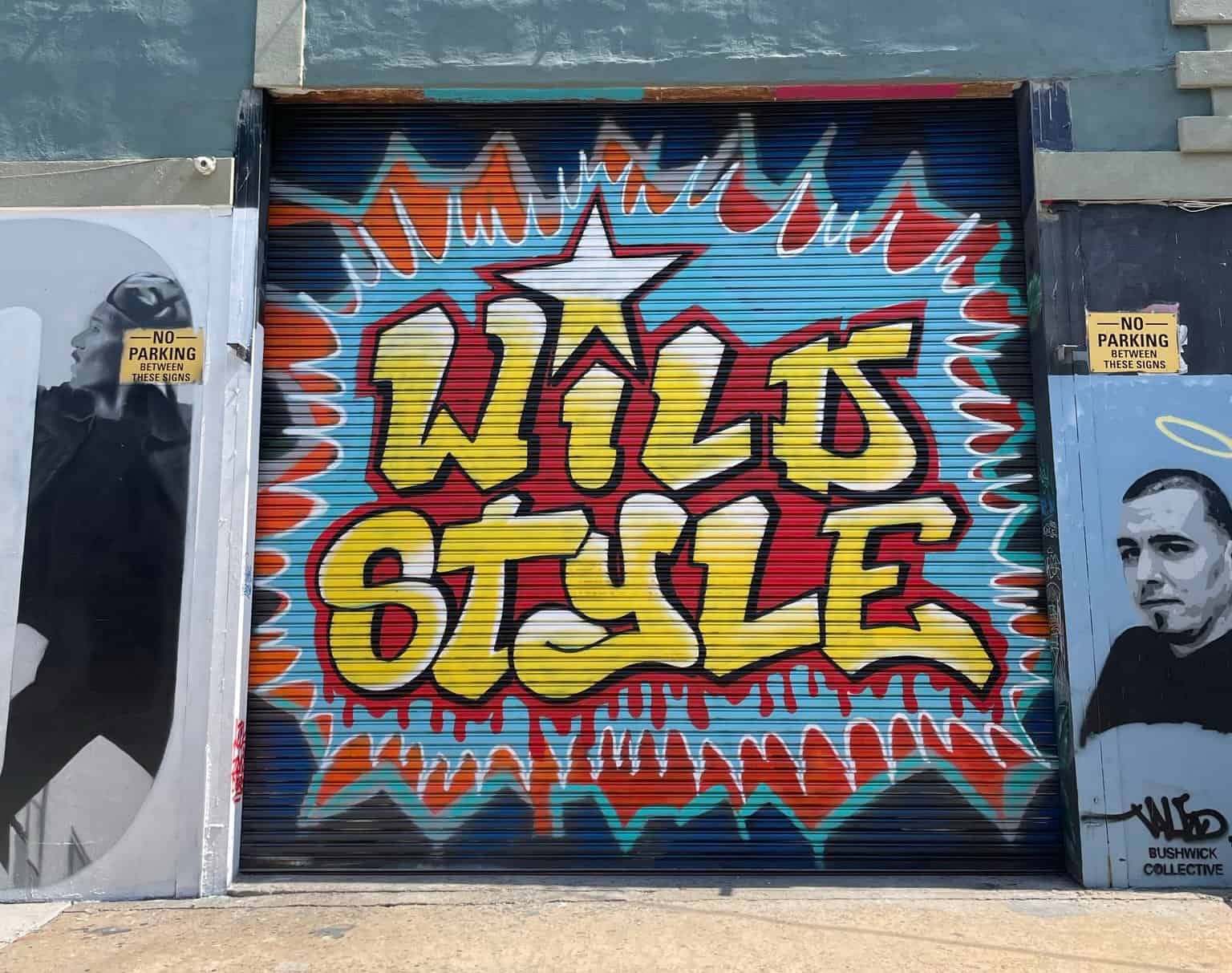
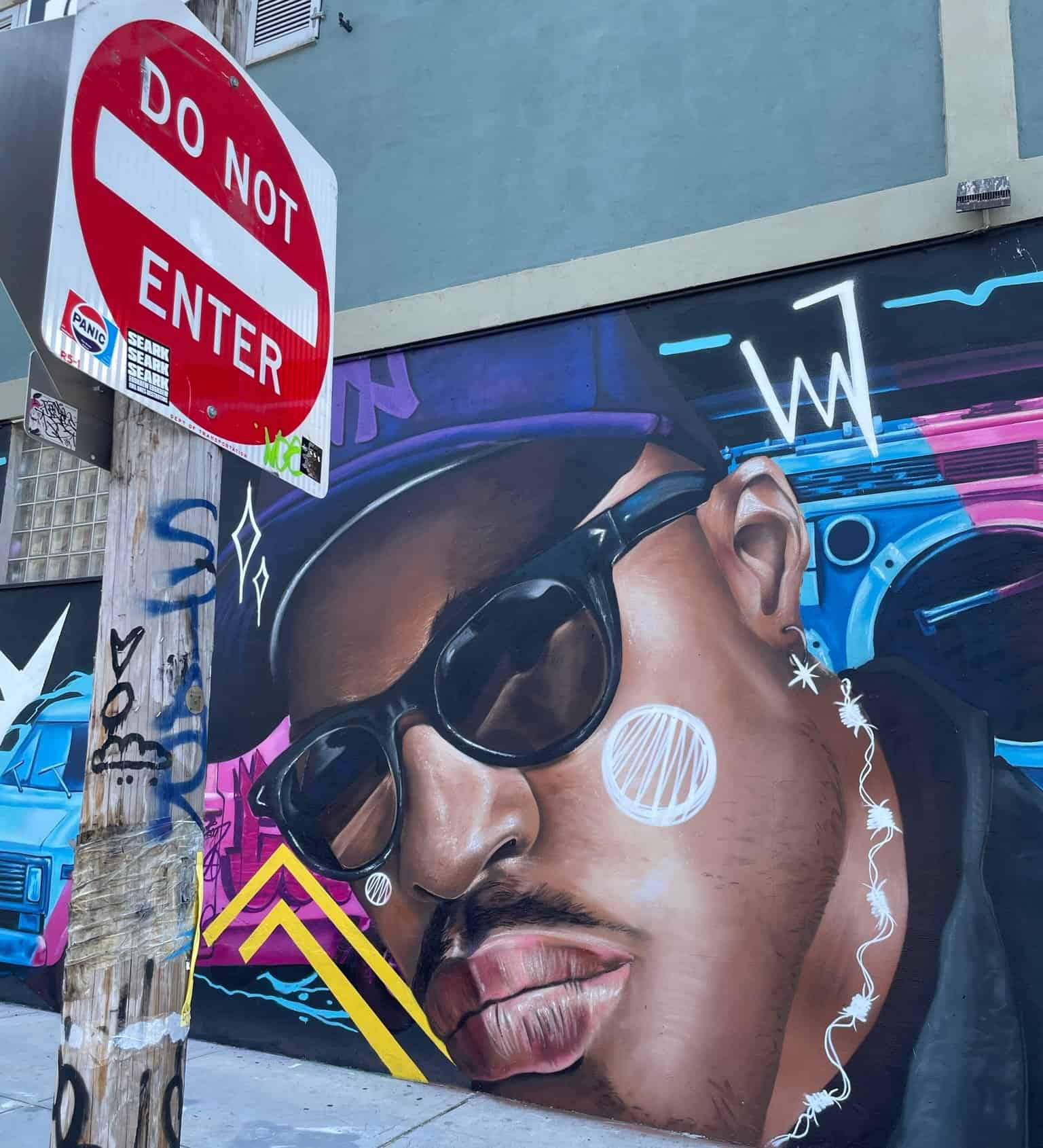
Every now and then, the faces of these legends appear on the walls of fame of the Bushwick Collective, in a short circuit of icons that start in Manhattan and cross the Brooklyn Bridge thanks to the spray cans of one of the most productive and creative collectives in the most populous neighborhood of the Big Apple.
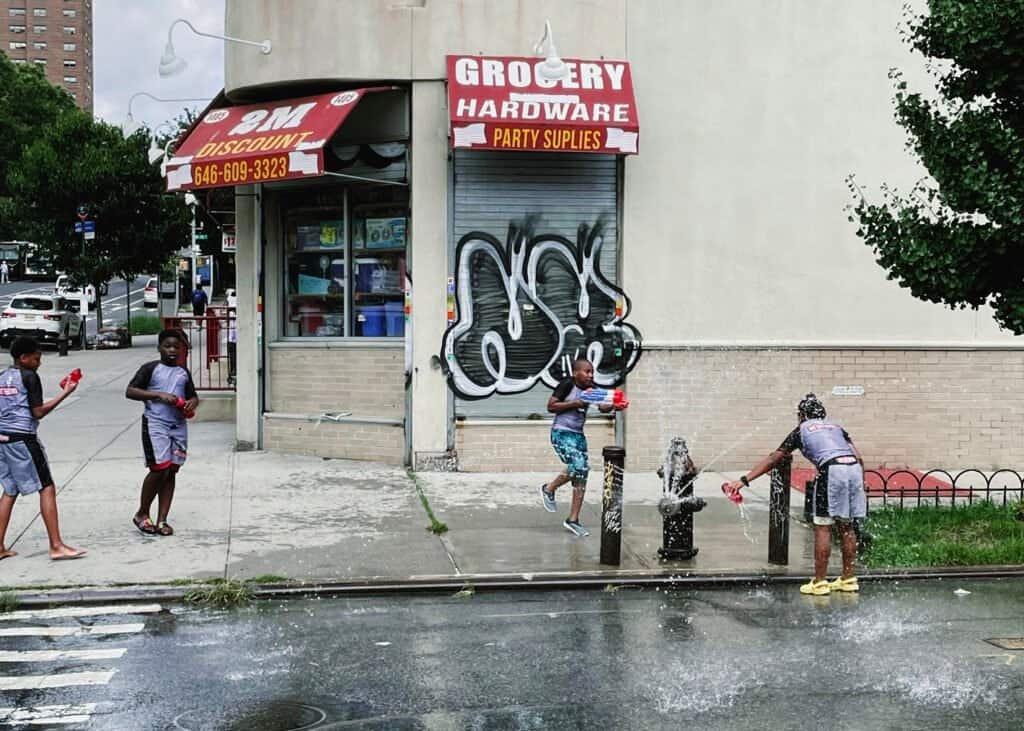
And what about Harlem? You walk and Gordon Parks is there with you, you're not in one of his photos with children playing with fire hydrants in the summer, he's right there with you giving you that image. You continue on, passing the stalls on 125th Street with their perfumes and incense, and when someone says, “Love that T-shirt, love ODB, love WuTang Shit,” you allow yourself to reply, “Love your hair, madam, Tina Turner style,” and smiles are exchanged. You get off the subway and you're in your place of energy, West 4th Street. In front of The Cage, you stop to watch the world go by at Joe's Pizza and are moved as you bite into a Sicilian.
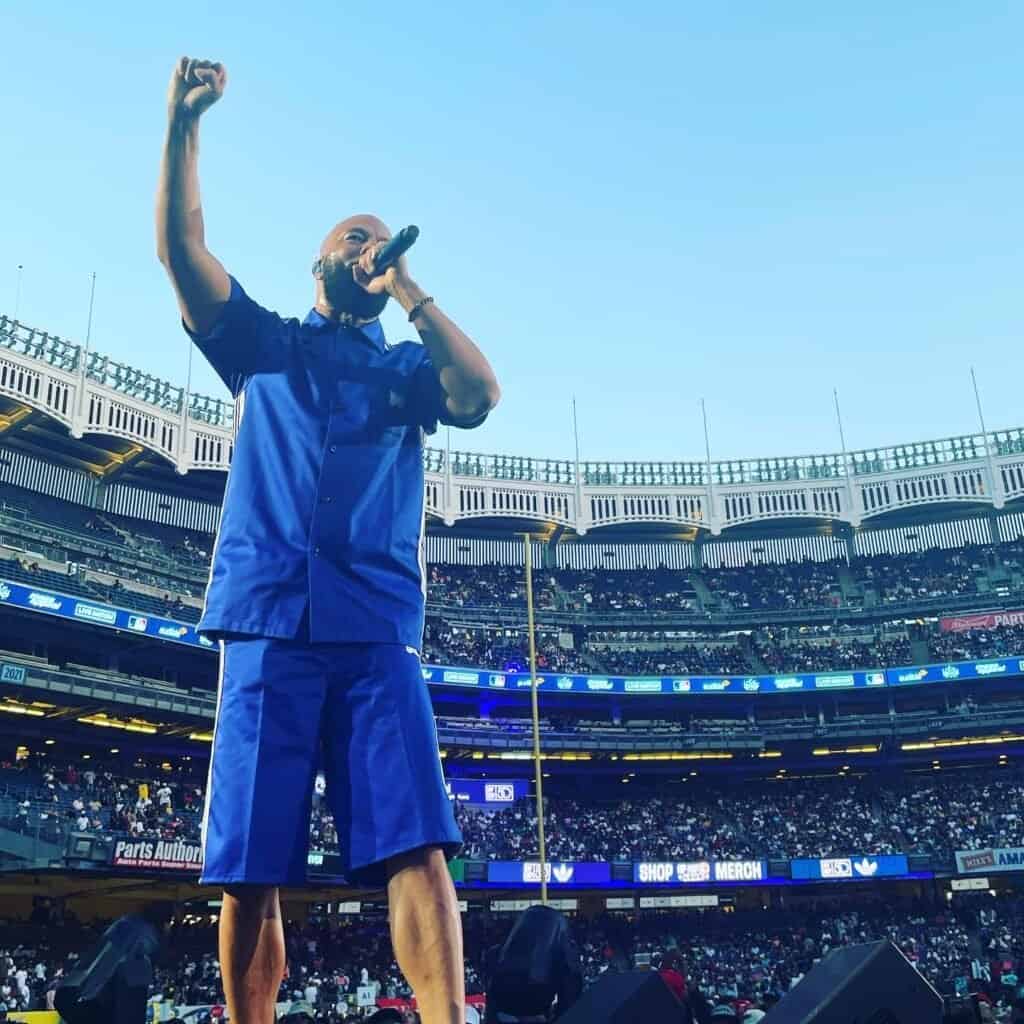
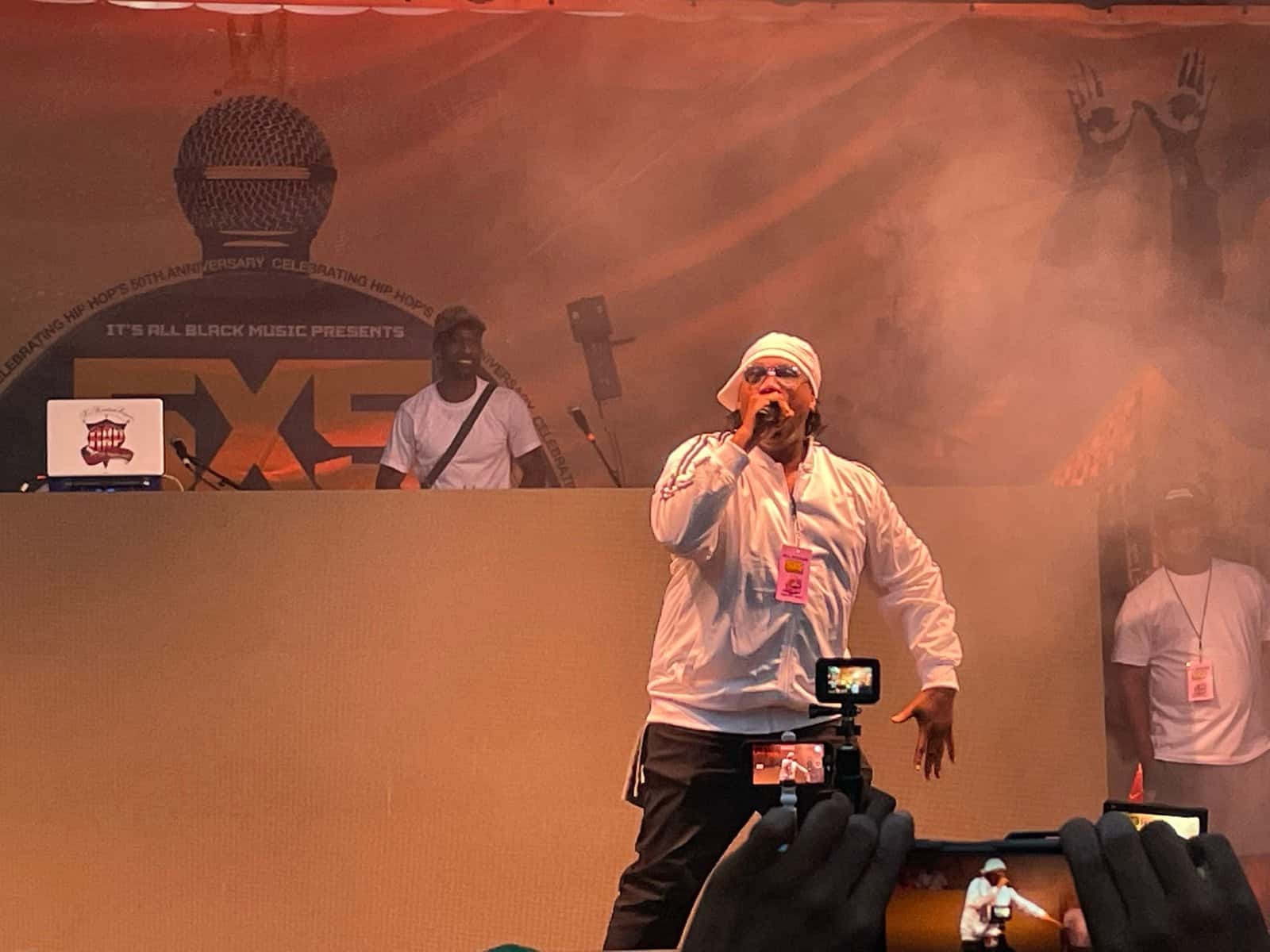
Common at Hip Hop 50 Live, a mega concert celebrating 50 years of hip hop, held on August 11, 2023, at Yankee Stadium in the Bronx, New York City.
It's the summer of HIP HOP 50, the spirit of the early years of our culture is back and there's music everywhere. South Bronx Time, the mega concert with new and old school legends organized by Nas and Mass Appeal, is about to happen... and as Common spits in my face, I think to myself that it can't be true that there's such a relaxed atmosphere around me, full of sixty-year-olds who know every single word of every song. The young people are there, Wu Tang is for the Children, the culture is expanding and transcending generations. I also remember Method Man making a surprise appearance on stage with Ghostface. It's an incredible evening, a tribute to the four quarters that envelop a city and have put it on the world map of street culture.
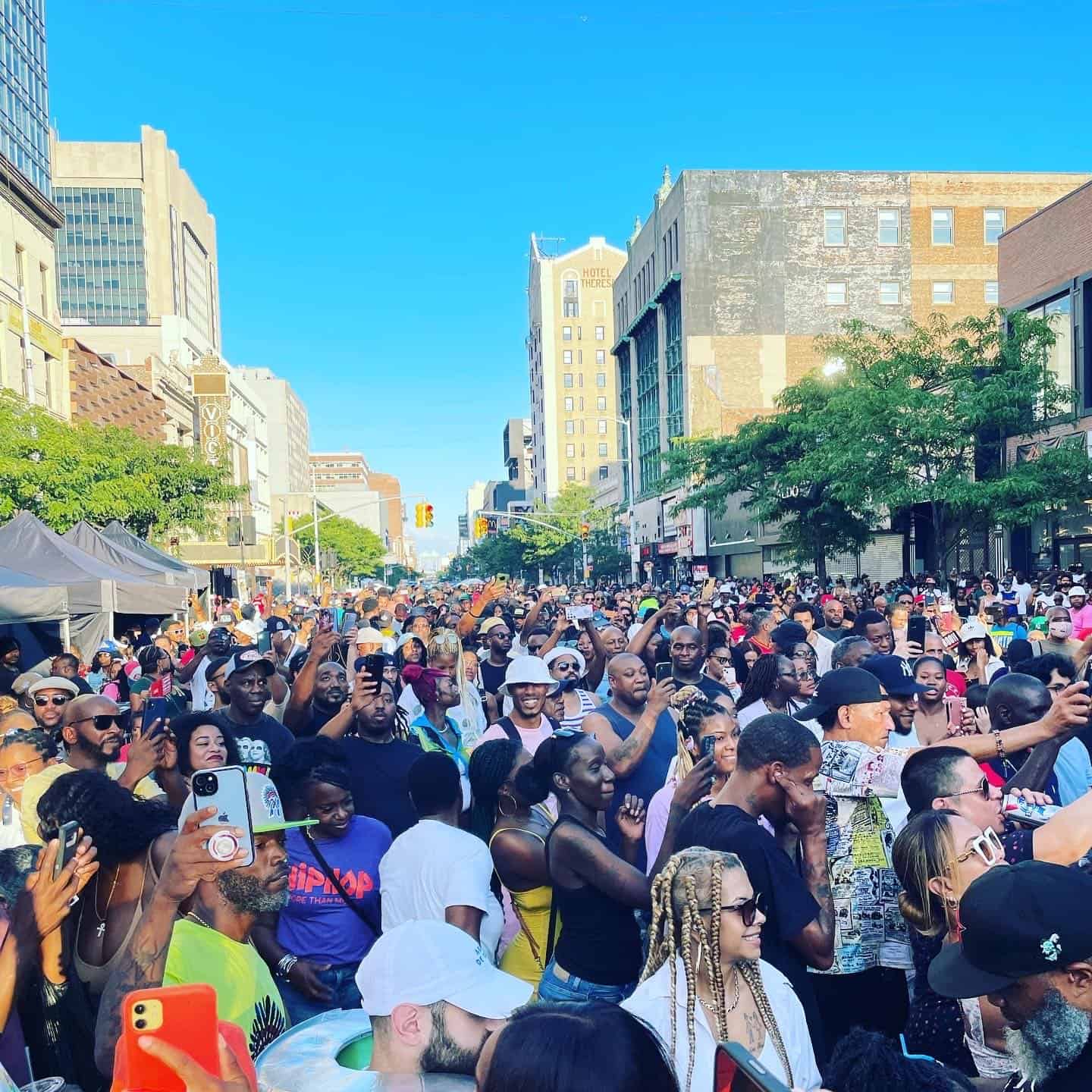
The day after the jam: “This is real Hip Hop shit, this is for the people, fuck Yankee Stadium.” Says KRS ONE Sedgwick Avenue, the cradle of Hip Hop culture, where the day after the mega event Hip Hop 50, a colossal jam takes place: the neighborhood is out on the streets, thousands of people are celebrating, 70-year-old ladies have been sitting in front of the barriers for hours with their portable chairs, some are selling ice cold water, others are printing T-shirts with the word Hip Hop, which sells so well today, some are breakdancing, others are painting, and others are warming up on stage waiting for KRS, Fat Joe, and Chuck D. It's the fourth block party in the city, the most eagerly awaited, the one in the South Bronx. And while the next day in Harlem, in front of the Apollo, the atmosphere is one of total celebration, funky mood and relaxation, the tough air of the Bronx can be felt in the faces of those who have seen it all, those who are there waiting to get fired up, no jokes. And if in Harlem they dance to Red Alert's selections, here in the Bronx no one moves a finger and everyone remains serious until Fat Joe comes on with his trashy sounds. The crowd warms up and when Flavor Flav joins Chuck D, a jam with Public Enemy ensues and everything seems to catch fire. People jump, scream, and start pushing. I think if there's one place where everything can degenerate, it's there: it's the fucking Bronx, ya know?! KRS understands and calms everyone down with conscious speeches and smiles.

In Harlem, on the other hand, the atmosphere is generally positive, the audience is dancing, and Yussef Salaam of the Central Park 5 (a must-see documentary on Netflix) is there, having closed the street for the event. The differences between neighborhoods are noticeable, helping you understand where the different nuances of New York rap come from. I had never realized this before. The essence of hip hop is in people's faces, in the songs sung by young and old, reminding me how far the genre has come. Here, it's not just for enthusiasts, but the real experience of many people who celebrate names that are legends here but little more than shooting stars elsewhere. Sale Black Sheep comes on and the crowd goes wild: “He is my age man,” shouts a lively grandfather with his grandson in his arms. I put my fist to my heart, look at him, we understand each other, it is hip hop that unites us, the eras, the styles, everything merges into an embrace of culture, the kind that continues in the streets, in the playgrounds...
You're also familiar with New York's style of play in some ways, as Mark Jackson taught you in the 90s: no three-point shots, back-to-back dribble drives, and only passing at the last second if you see an open teammate. It's the style you find on the playgrounds, when you think you're setting up the attack and you realize that no one is really expecting a pass: it's up to you to play one-on-one, you have that opportunity there, play it to the end, if it goes well you'll have another one, if it goes badly you'll see the next ball at the end of the match, when you leave the court and hand it over to those who play after you. Over the years, this has generated dozens of players who started out on the playgrounds, at The Cage, Soul in the Hole, Park Slope, Rucker Park, and dozens of others, and poured into the “League” or in some cases even Europe. Ask Kevin Punter or Dustin Hogue, for example, the last “local” bastions of that type of basketball made in The Bronx that we can still admire on our courts and then... then who knows when it will happen again because fewer and fewer iconic players are coming out of NYC today, and the Bronx is no exception to the decline in productivity.
Those players are stalwarts of Boogie Down Production, like KRS One, the master of ceremonies who, from the streets of “6” (the green subway line that comes up here and adds a nickname to the neighborhood that gave birth to double H culture), brought the sound of the South Bronx to the whole world and continues to support it, now that LA and Atlanta are ruling the roost. And the “originators,” the guardians of this culture, whether it's Spalding on concrete or the microphone on stage, realize this: KRS, in the year of Hip Hop's 50th anniversary celebrations, organized an old-school jam in each of the five boroughs to reaffirm who put this culture on the world map. Bobbito Garcia, for his part, continues to produce documentaries to show how basketball and New York culture have always influenced each other (his documentary “Do it in the Park” is second only to his book “Where did you get those?” in terms of veneration by those who love street culture, the sneaker game, and the influences between fashion and urban culture). Geographies, fashions, and trends change, but those who created something first, those roses that grew from the asphalt, deserve a special place in history. And that place, both in basketball and hip hop, is called New York, New York: “a state so nice that you have to name it twice.” There is energy in the streets of New York's neighborhoods, making you think that anything is possible, that everyone has come here for a reason, to express themselves, to search, and in some cases, for the luckiest ones, to find. There is energy and chaos, there are stimuli, there is concrete and asphalt, there are tough faces and egos to assert, bellies to feed, you breathe it in on the streets and touch it with your hands on the courts: there is an urgency to be there, today, right now, in every action. There is no time to build up the attack, it's one on one, me against you, and whoever scores reigns supreme. New York is all here: it's about combining your skills to challenge yourself now. “There is no tomorrow”: the quintessence of the here and now.
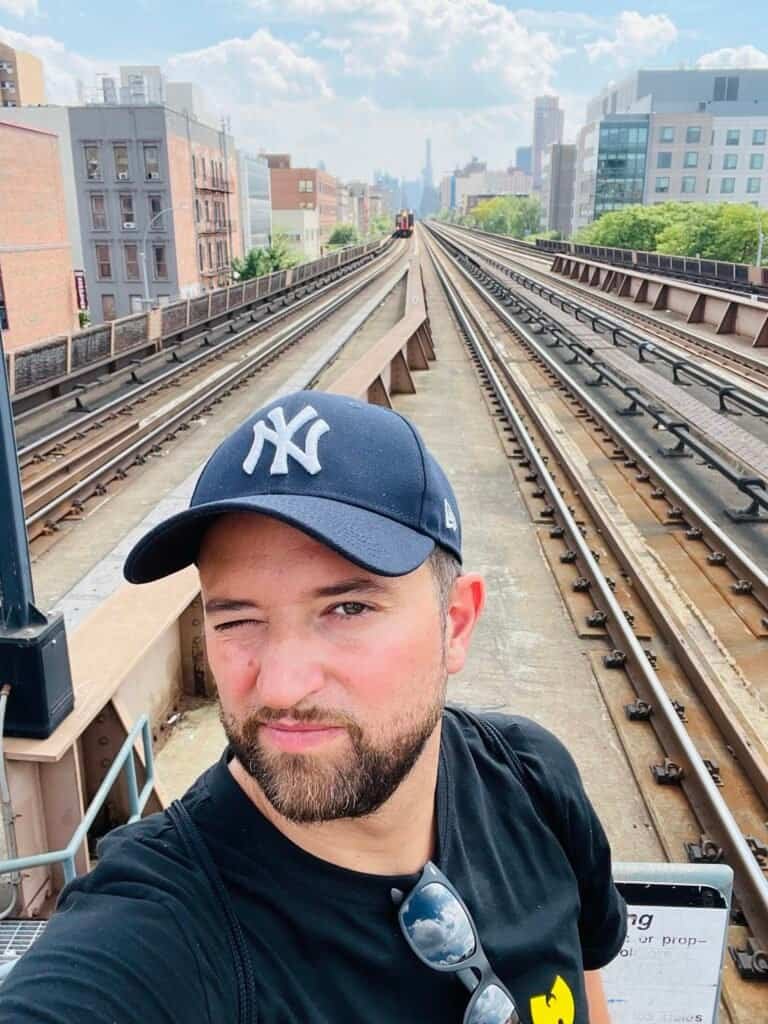
Luca Mich
And when you think about it, when it comes to urgency, the streets, and the imagery generated by NYC, without the need for AI, Hip Hop could only have been born here. And if the streets codified its four disciplines (writing, breaking, MCing, DJing), leather and asphalt forged another to the sound of swoosh, clap, swing, and soles on asphalt. OG scratches, the original sound of Manhattan. It's always about that thing: expressing yourself, doing it on the street, from the bottom up, among the people, among those who are like you, wherever they come from, whatever time zone they're in. Kindred spirits resonating to that beat, the one that goes with the dribble, that makes your heart vibrate and your hand steady as you break your wrist. So when you ask me what New York is, I'll tell you it's a city that beats in four-four time. It's a huge playground where cultures intersect in a seemingly random way, where everyone is there to play their game, to leave everything they have on that asphalt and among those buildings, their best skills, their passions and inclinations, to challenge themselves and others in a pick-up game of cultures, to give shape to what they had only imagined before arriving here.
Everything here bounces at a precise frequency. It's the pulse of this city, its four-four beat that you can tap along to or keep time with. Either way, its rhythm gets inside you. That's why New York is basketball. That's why it's hip hop. And that's why basketball, baloncesto, el basquet, koŝarka, el basquetebol, The Game, el juego, in the end, is never just basketball, it's hip hop culture.
JOIN THE PRIORITY LIST
Break boundaries
Break boundaries




 Italian
 English